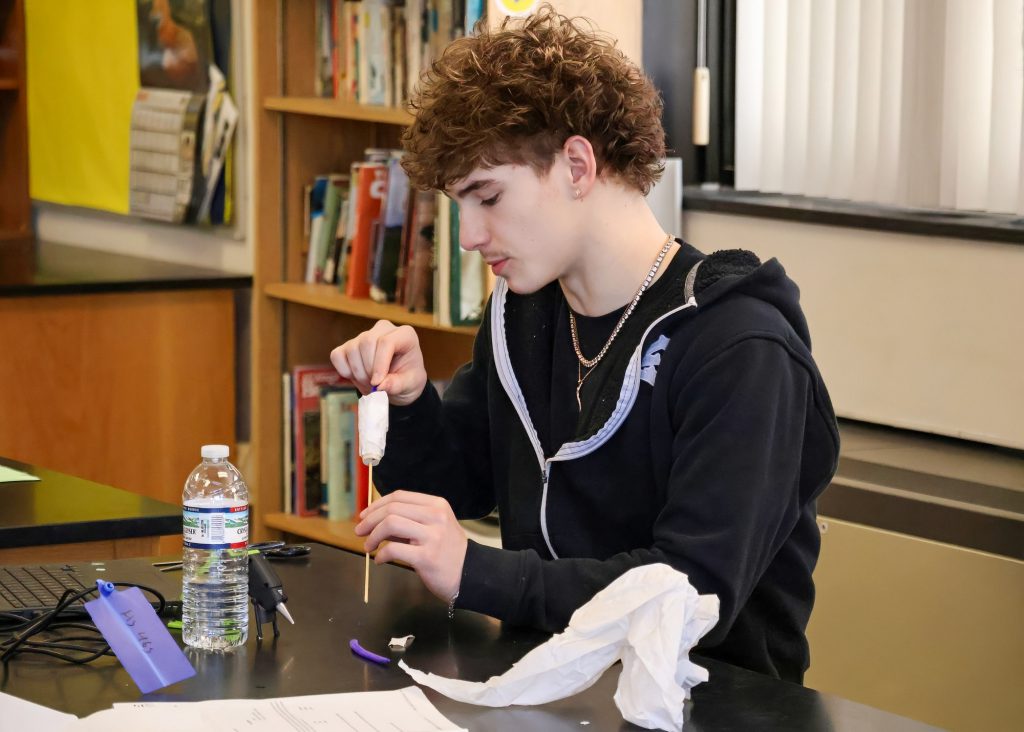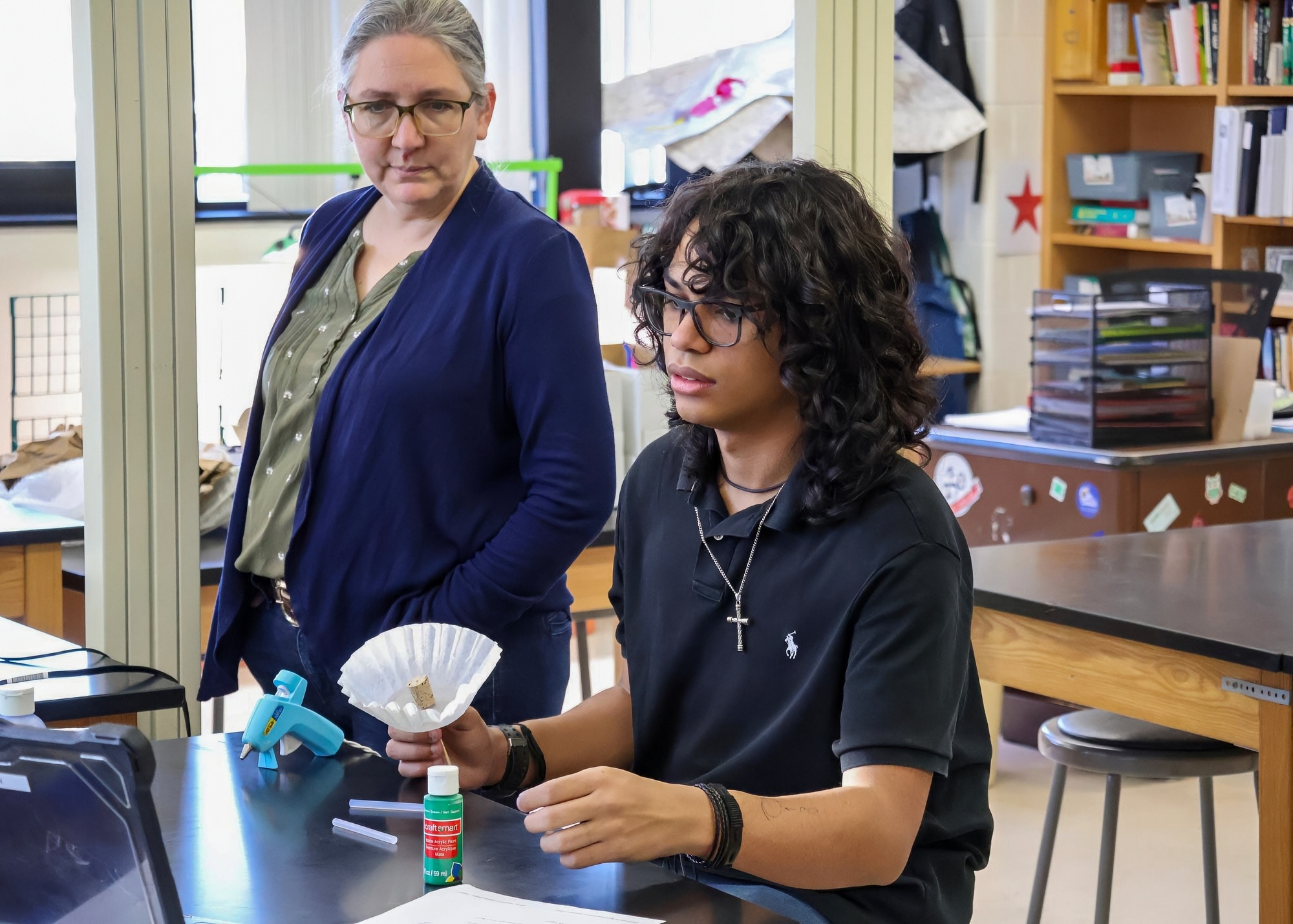
In a community with deep agricultural roots, Stillwater Middle-High School is cultivating the next generation of agricultural leaders through its new program. With courses such as Exploring Agriculture, Ecology, and Animal Science, students develop practical skills and foundational knowledge across the many facets of the field, connecting them to one of the region’s core industries.
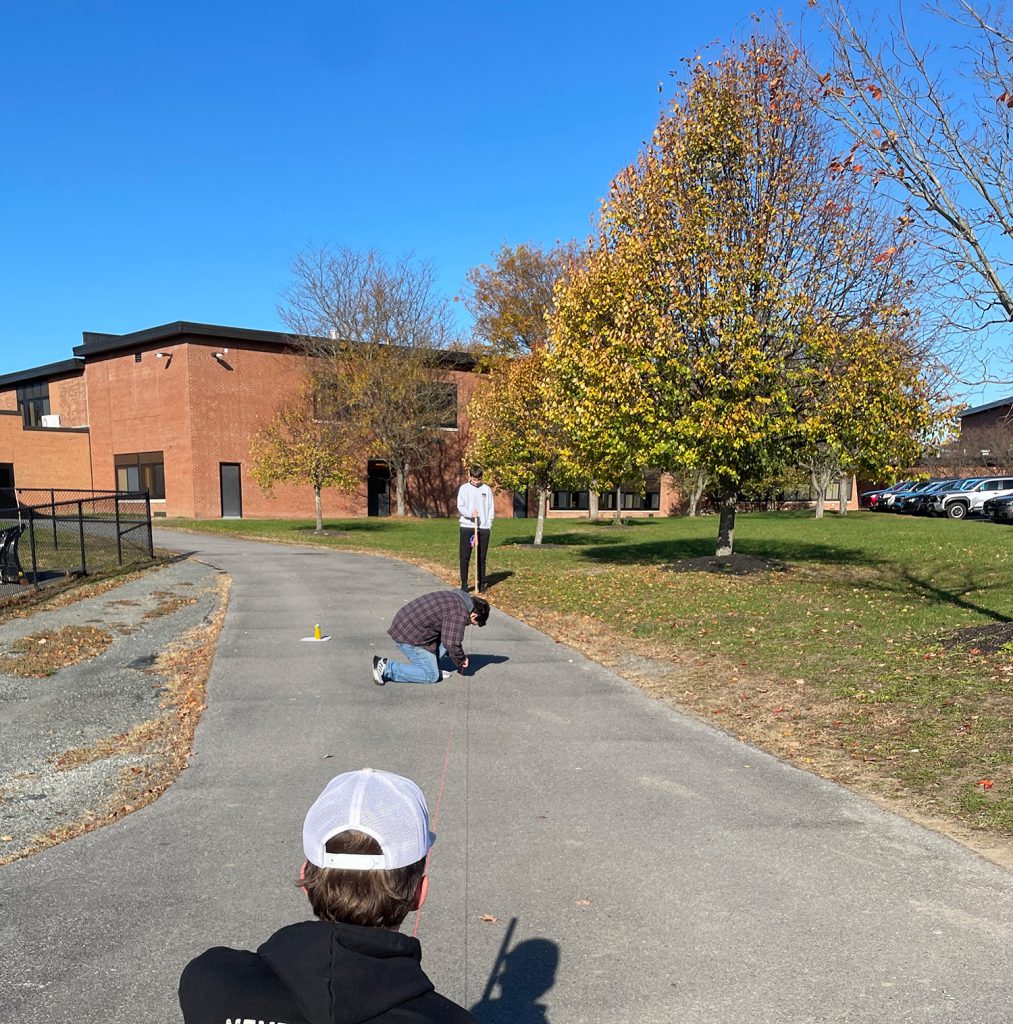
Blending practical, science-based classroom learning with hands-on experience, Stillwater’s agriculture program is open to students in grades seven through twelve. Seventh graders are required to take Exploring Agriculture, while high school students may choose Ecology, Animal Science, or Introduction to Agriculture as electives.
“When I found out that we would have agriculture classes this year, I knew I wanted to get into Animal Science,” said Stillwater High School junior Maggie Sweet. “It sounded like it could help me learn more about animals, which is important for my job working at a dude ranch, since working with animals is the main focus of my job.”
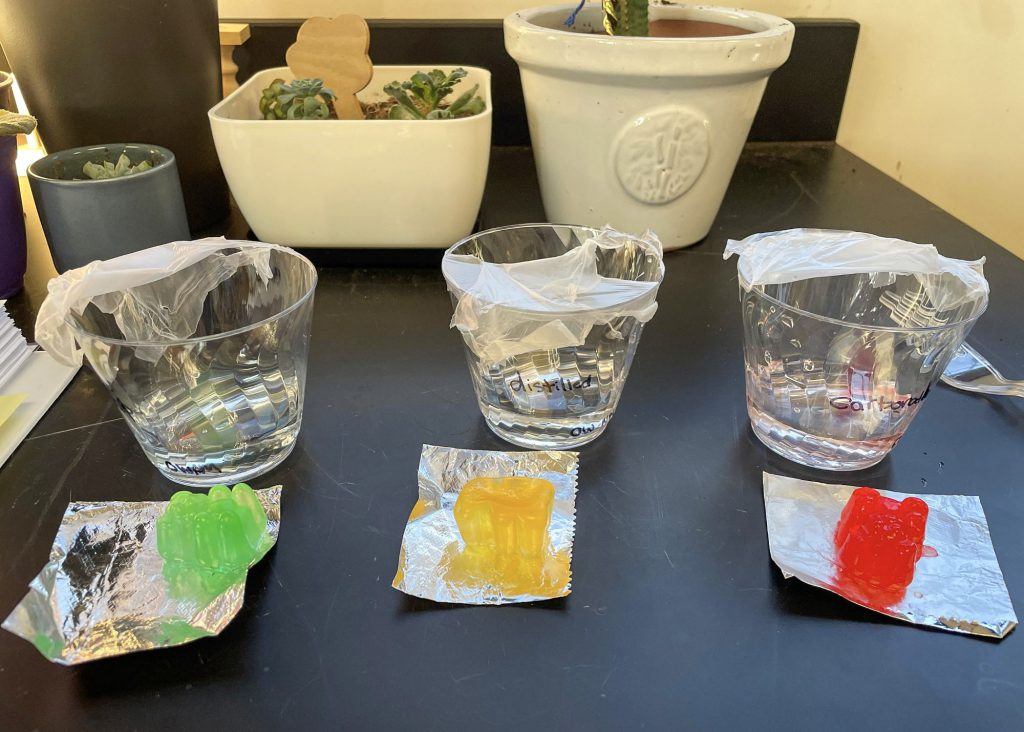
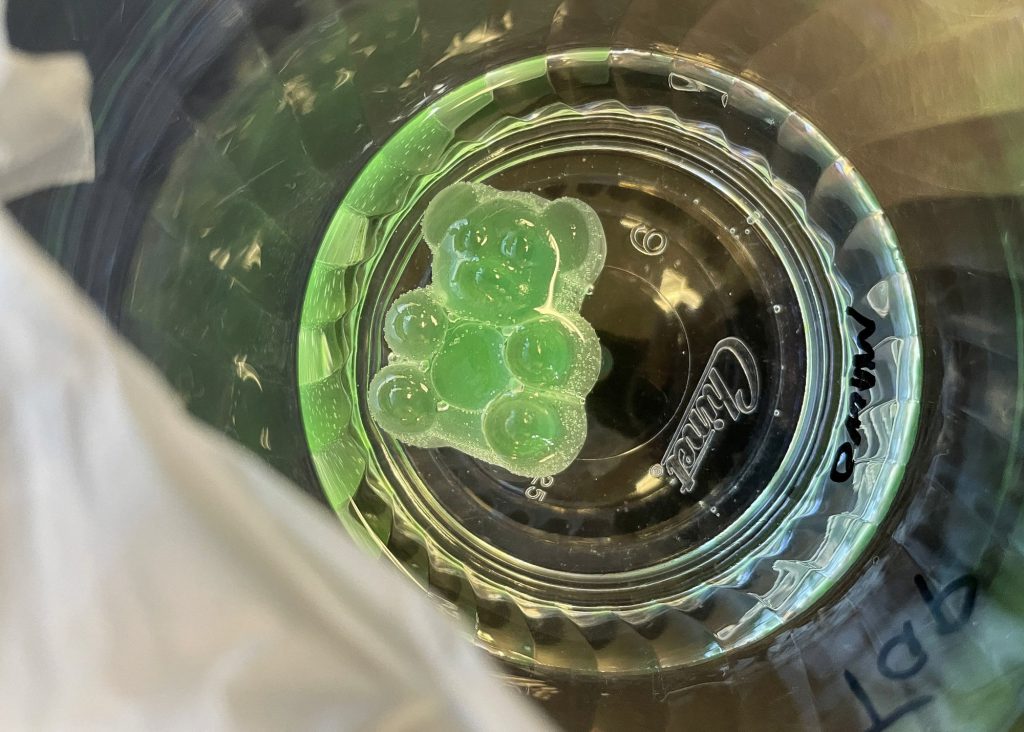
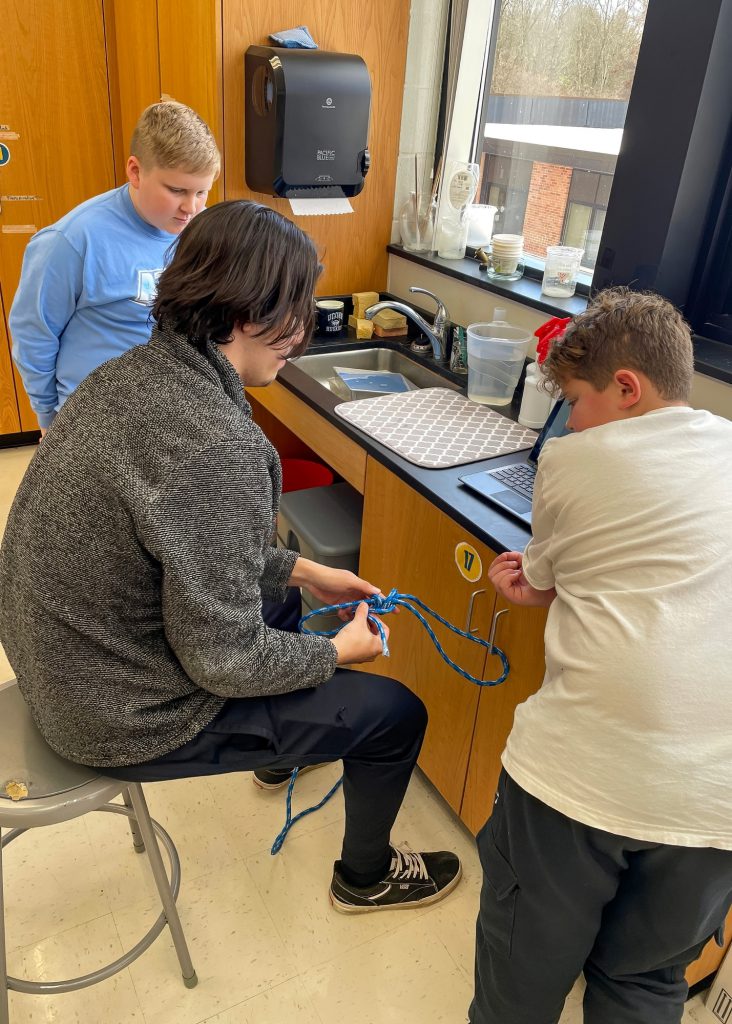
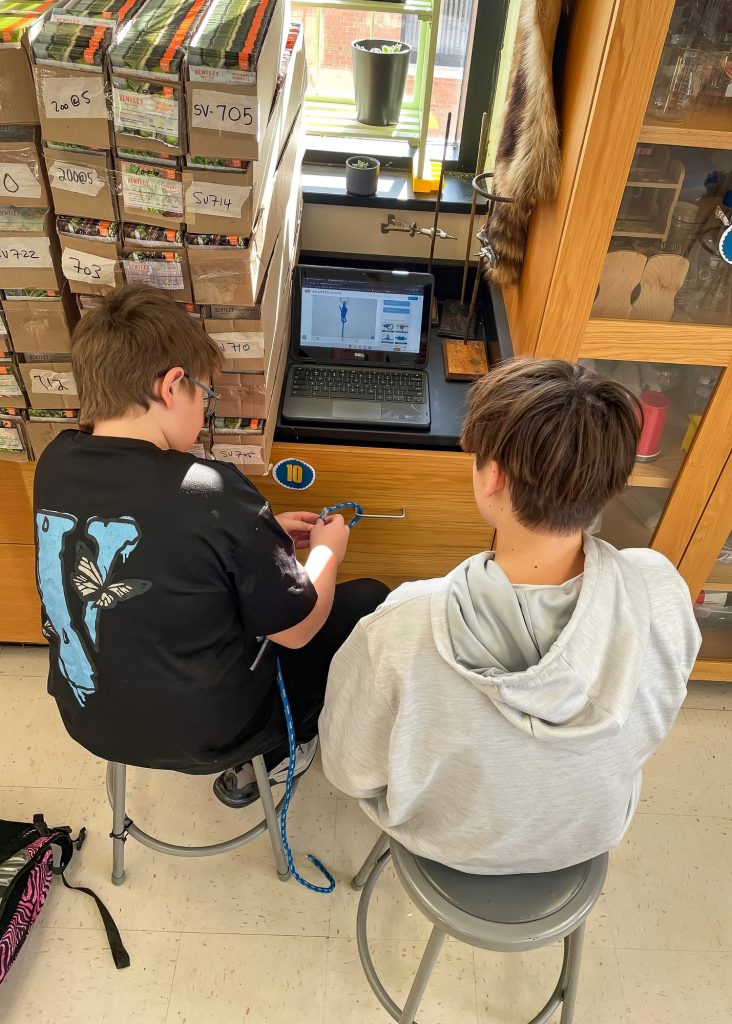
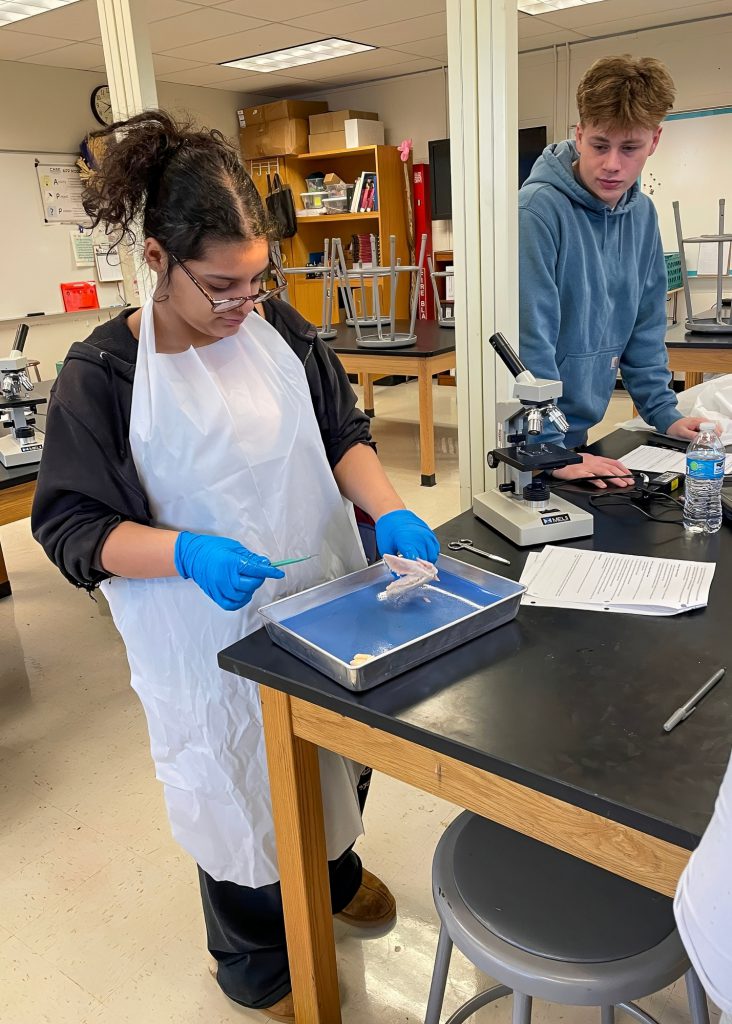
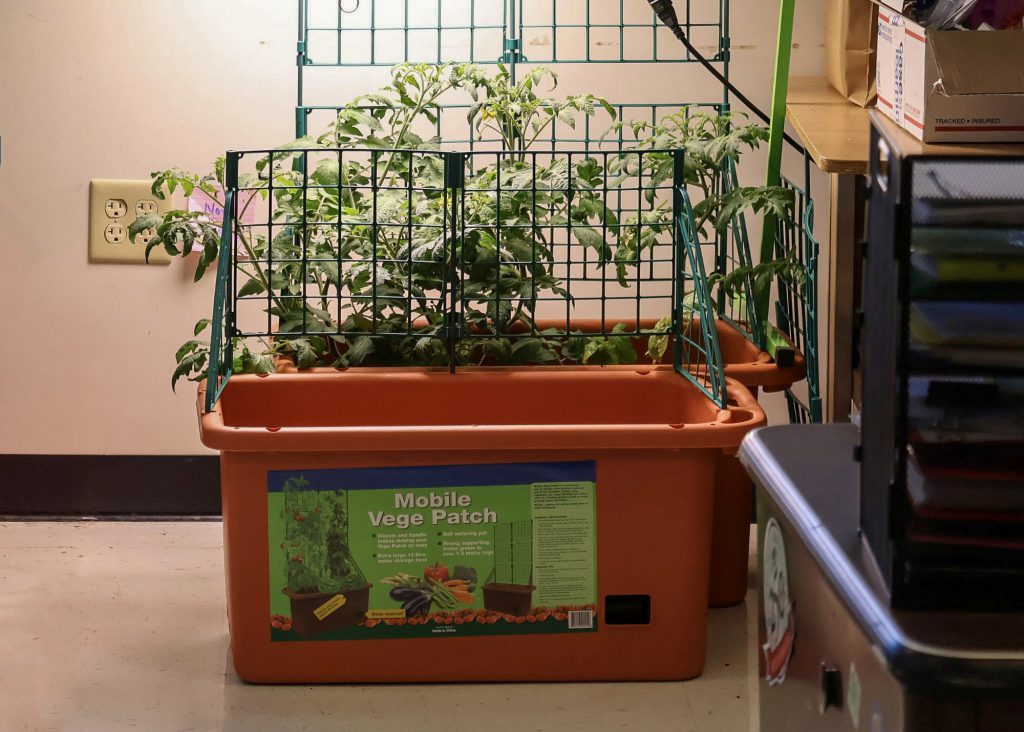
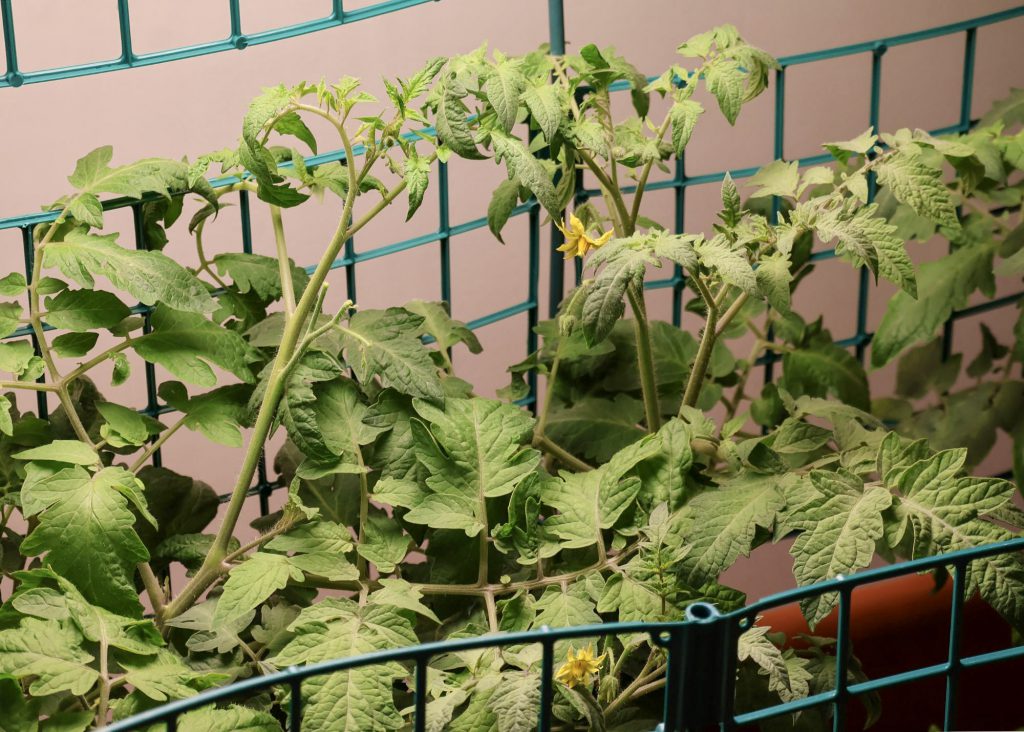
Similar to biology or physics, much of agriculture “is science-based,” according to teacher Kelsey McMullen. Despite being in its pilot year, the program extends far beyond lessons and textbooks. “We do as much hands-on work as we can in the classroom,” said Ms. McMullen. From harvesting lettuce and making homemade pickles in Exploring Agriculture to venturing outside for tree identification in Ecology, laboratory and experiential learning are central elements of the program.
“I really enjoyed experimenting with tree bark and making pickles,” said seventh grader Finnley Brownell of her Exploring Agriculture class. She also read about different types of plants, which inspired her to take more agriculture courses and consider a career in plant genetics.
Finnley can expect her passion for plants to keep growing as Stillwater’s agriculture program is set to introduce a Plant Science class next fall. Ms. McMullen is also looking forward to the new course and has planned a professional development trip to Wisconsin this summer to prepare. The district has received a grant to support the class, which will provide students with the resources needed to strengthen their plant science expertise while connecting with the local soil.
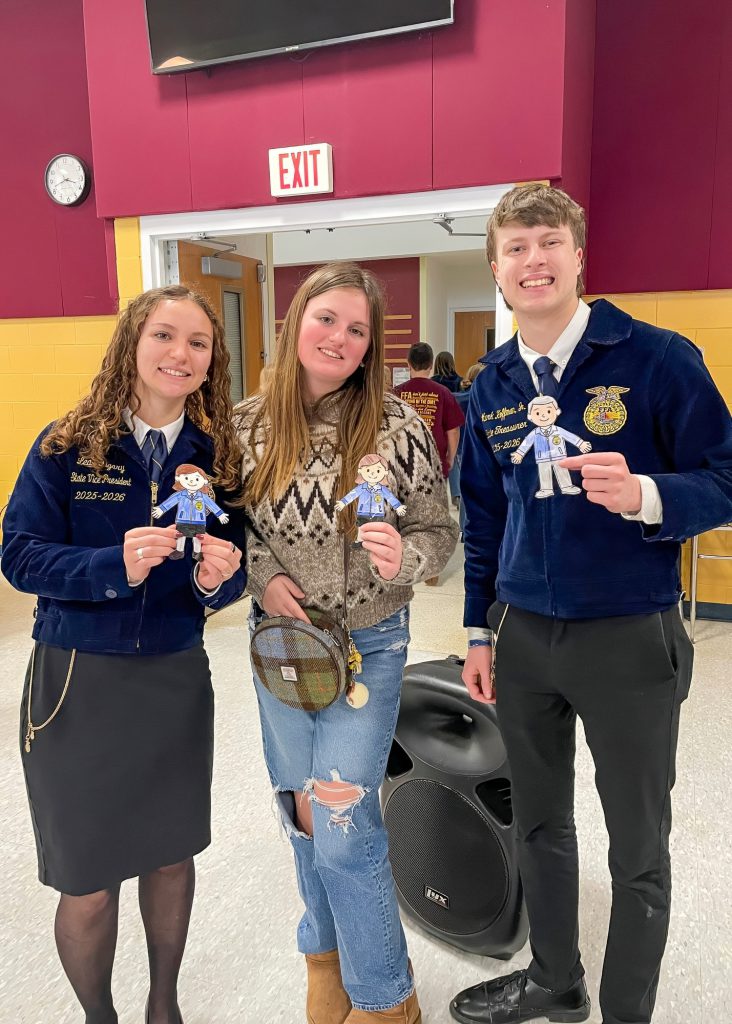
A key aspect of Stillwater’s agriculture program is its application to become a Future Farmers of America (FFA) chapter. The application has essentially been approved by New York State, with only minor items left to finalize. As an FFA chapter, students who take an agriculture course at Stillwater automatically become members. The organization prepares students to be future leaders in agriculture—whether in farming, agribusiness, veterinary science, or other related fields—and provides access to leadership opportunities, such as the Ignite Conference, which several Stillwater students attended at the end of February. In addition, Feb. 23-27, 2026, was National FFA Week, which helped introduce more students to the agriculture program, according to Ms. McMullen.
Stillwater’s agriculture program is sowing the seeds for future success as more students gain interest and discover their passions within the industry.
“I’ve really enjoyed everything we’ve learned in Animal Science, and it’s so fun to finally learn about animals and agriculture in a way that I didn’t get to before,” Maggie said. “My plan right now is to pursue a career in welding, but I would also love to learn how to train horses and other animals of my own.”
By investing in agricultural education, Stillwater is sustaining its future—cultivating tomorrow’s industry leaders and reinforcing the town’s agricultural identity.